Why reintegration, family support, education and employment are critical to sustainable recovery
By Gami Tadanyigbe
For years, much of the public conversation around addiction, substance use disorders and rehabilitation has centred on a fundamental question: How do we get this person into treatment?
But there is another question that is equally important: What happens after treatment?
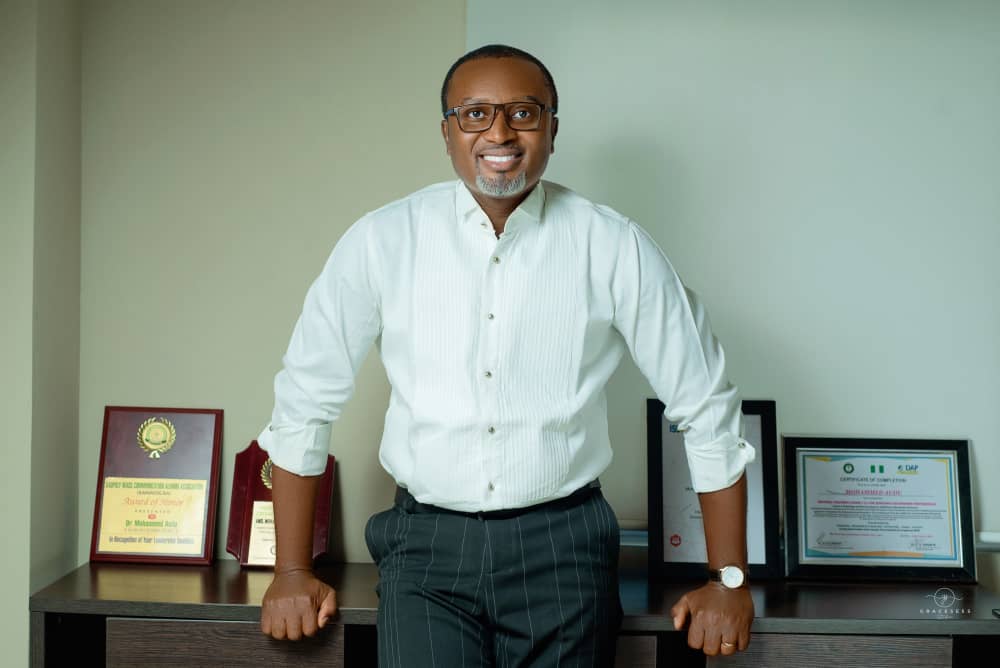
According to Dr. Mohammed Audu, Founder and Executive Director of the DMA Foundation, Nigeria must pay greater attention to what happens after a person completes treatment.
“Treatment cannot end at the point of stabilisation or discharge,” Audu says.
For Audu, rehabilitation is not simply about removing a person from a harmful environment for a period of time. It is about equipping individuals with the capacity, confidence and support systems needed to live healthier and more productive lives after treatment.
That means addressing the issues that often determine whether recovery is sustained: family relationships, education, employment, vocational skills, healthy social connections, emotional wellbeing, community acceptance, professional support and, perhaps most importantly, a sense of purpose.
The distinction is crucial because completing treatment does not necessarily mean that all the circumstances that contributed to a person’s difficulties have disappeared.
Family conflicts may remain unresolved. Economic pressures may persist. The social environment may be unchanged. The individual may have no meaningful employment or educational opportunity. Triggers that contributed to substance use may still be present.
As Audu puts it:
“We cannot expect a changed individual to survive indefinitely in an unchanged environment.”
That statement captures one of the central principles behind the DMA Foundation’s approach to mental health and substance use recovery: recovery must extend beyond treatment to include reintegration into family, work, education and community life.
The organisation’s vision is to advance integrated mental health care, addiction prevention, treatment and recovery across Nigeria, with holistic care and human dignity at the centre. Its services include substance use disorder treatment, psychotherapy and counselling, mental health assessment and management, psychosocial rehabilitation, relapse prevention and recovery support, family counselling and reintegration support.
Recovery Is More Than Abstinence.
One of the most important shifts in understanding recovery is the recognition that recovery cannot be measured solely by whether a person has stopped using substances.
“Successful recovery is broader than abstinence alone,” Audu says.
For one person, recovery may mean returning to school. For another, it may involve securing employment, learning a trade, rebuilding a relationship with family or becoming financially independent.
For someone else, it may mean developing healthier ways of managing stress, emotions and relationships.
The ultimate goal is not merely to keep an individual away from substances; it is to help that person build a meaningful, productive and sustainable life.
This is why education, vocational training and employment are important components of recovery. Beyond providing income, they can offer structure, independence, responsibility, purpose and a sense of belonging.
“A person cannot be expected to sustain recovery while having no meaningful role in society,” Audu says.
Families Are Part of the Recovery Process
The role of the family is equally important.
Families can be powerful sources of encouragement and stability, but they also need information and support. They need to understand recovery, recognise potential triggers, establish healthy boundaries and learn how to communicate effectively with a loved one undergoing treatment or returning from rehabilitation.
There is also an important distinction between supporting recovery and enabling harmful behaviour.
Family members may need guidance on how to encourage positive behaviour without shielding an individual from the consequences of unhealthy choices. At the same time, caregivers themselves can experience significant emotional, psychological and financial pressure.
For this reason, recovery should not be viewed as the responsibility of the individual alone.
The individual remains central to recovery, but the individual does not recover in isolation.
Creating Pathways Back Into Society Nigeria’s growing attention to substance use prevention, treatment and rehabilitation is an important step. Government agencies, healthcare institutions, civil society organisations, families and communities all have roles to play in expanding access to appropriate care.
However, treatment capacity alone cannot guarantee sustainable recovery.
The bigger challenge is creating pathways back into society.
What happens when someone is ready to work but an employer is unwilling to give them an opportunity?
What happens when a young person has completed treatment but cannot return to school?
What happens when a family genuinely wants to help but does not understand the recovery process?
What happens when society continues to define a person by the worst period of their life, even after that person has taken steps to change?
These are not theoretical questions. They can determine whether recovery becomes sustainable or whether a person eventually returns to the same circumstances that contributed to their difficulties.
Audu believes society can offer people a second chance without minimising the seriousness of substance use disorders.
“A second chance does not mean pretending that nothing happened.”
Rather, he says, it means recognising that individuals can take responsibility, receive appropriate treatment, change their behaviour and make positive contributions to society.
This requires a balance between compassion and accountability.
Measuring What Really Matters
The need for reintegration also raises questions about how the success of treatment programmes is measured.
The number of people admitted into treatment is important, but it should not be the only measure of success.
Other questions matter:
How many people remain engaged in aftercare?
How many return to school or education?
How many gain productive employment or acquire vocational skills?
How many rebuild relationships with their families?
How many maintain their recovery?
How does their overall quality of life change?
For Audu, these outcomes provide a more meaningful picture of whether recovery interventions are working.
This thinking is at the heart of his advocacy for a continuum of care—a system in which support does not stop when a person leaves a treatment facility.
A young person receives prevention education. Someone beginning to experience difficulties is identified early. A person requiring professional intervention receives evidence-based treatment.
After completing treatment, the individual receives appropriate aftercare. Families receive education and support. People in recovery have opportunities for education, skills acquisition and employment. Communities are encouraged to understand that recovery is possible.
As Audu explains:
“The system should not ask, ‘Where can we send this person?’ It should ask, ‘What does this person need at this stage of their recovery, and how do we connect them to it?’”
Recovery Requires a Community That may be one of the most important questions Nigeria needs to ask as it strengthens its response to substance use and mental health challenges.
Treatment is essential, but treatment is not the finish line.
For many people, it is the beginning of another phase—the difficult process of rebuilding relationships, restoring confidence, developing skills, finding meaningful work and reclaiming a place in society.
If recovery is expected to last, society must be prepared to make room for people who are genuinely trying to rebuild their lives.
A successful recovery system, therefore, should not only help people leave treatment. It should help them return, reconnect, rebuild and thrive.
About DMA Foundation
The Dr Mohammed Audu Foundation (DMA Foundation) is a Nigerian organisation focused on integrated mental health care, substance use disorder prevention, treatment and recovery.
Its services include substance use disorder treatment, psychotherapeutic and counselling care, mental health assessment and management, psychosocial rehabilitation, relapse prevention and recovery support, family counselling and reintegration support.
Contact:
Website: dmaimpact.org
Email: dmafoundation01@gmail.com
WhatsApp: 09131252197
LinkedIn: The DMA Foundation
Facebook: DMA Foundation
Instagram: DMA Foundation