
Bukola Ojo
ABUJA — The Director-General, Institute of Security and Forensic Studies Nigeria, Dr. (Amb.) Okocha Morgan Thoh, has warned security and forensic practitioners against treating Artificial Intelligence (AI)-generated findings as conclusive evidence, insisting that technological tools must remain subject to human judgment, professional accountability and the rule of law.
Okocha issued the warning yesterday at the 20th International Summit for Forensic Practitioners, General Assembly, Induction and Awards, held at the illustrious Nigeria Merit Award House, Maitama, Abuja, where stakeholders drawn from security agencies, law enforcement, forensic practice, the legal profession, academia and allied fields converged to deliberate on emerging challenges confronting modern investigation.
Addressing participants on the theme, “Ethical and Legal Considerations in AI-Driven Investigation,” the Institute’s Director-General said the accelerating application of AI was reshaping digital forensics, fraud investigation, intelligence gathering, cybersecurity and criminal investigations, while simultaneously introducing complex questions bordering on privacy, evidence, accountability and professional ethics.
He said AI could enhance investigative efficiency through the analysis of CCTV footage, examination of digital devices, detection of patterns in financial transactions and processing of large datasets, but stressed that an algorithm could merely generate an investigative lead or identify a pattern and could not, without independent verification, establish wrongdoing.
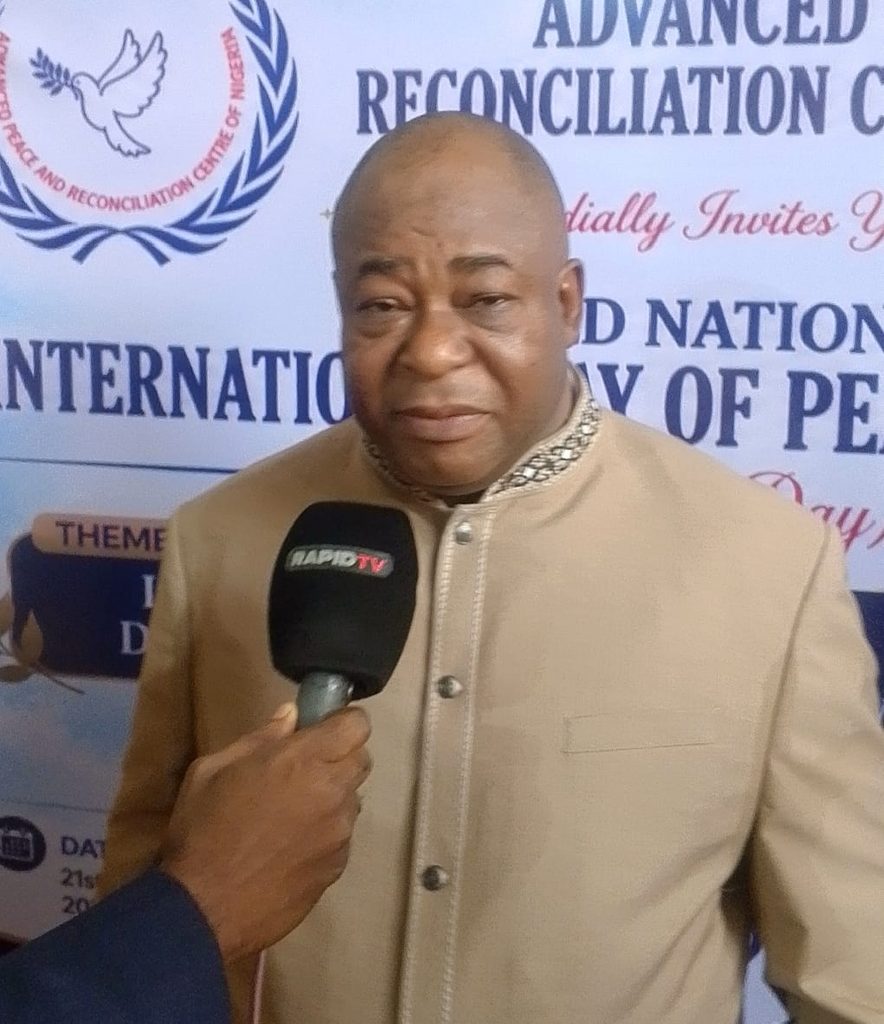
Okocha also drew attention to the risks of algorithmic bias, privacy violations and excessive reliance on automated decision-making, urging investigators to understand the limitations of AI systems and ensure that significant investigative decisions remain subject to responsible human review and institutional accountability.
The forensic expert further warned that the proliferation of deepfakes had complicated the evidentiary landscape, as AI could be deployed to create increasingly convincing false images, audio, videos and documents. He consequently called for rigorous authentication and proper chain-of-custody procedures in the handling of digital evidence.
According to him, AI-assisted investigations must remain within Nigeria’s legal architecture, including relevant provisions of the Constitution of the Federal Republic of Nigeria, the Cybercrimes Act, the Evidence Act and the Nigeria Data Protection Act, as well as other applicable laws and procedures governing lawful access to information and admissibility of electronic evidence.
He advocated continuous capacity building for investigators in AI, digital forensics and applicable law, alongside clear institutional policies, proper documentation and auditing of AI-assisted investigative processes, independent verification of significant AI-generated findings and stronger safeguards for personal and investigative data.
The summit, organised by the Institute of Security and Forensic Studies Nigeria, also featured the induction of professionals and presentation of awards, with Okocha reaffirming the Institute’s commitment to professional excellence, ethical conduct, forensic knowledge and responsible security practices. He urged stakeholders to ensure that the emerging convergence of human and artificial intelligence strengthens justice and public confidence rather than undermining evidence, human dignity and the rule of law.