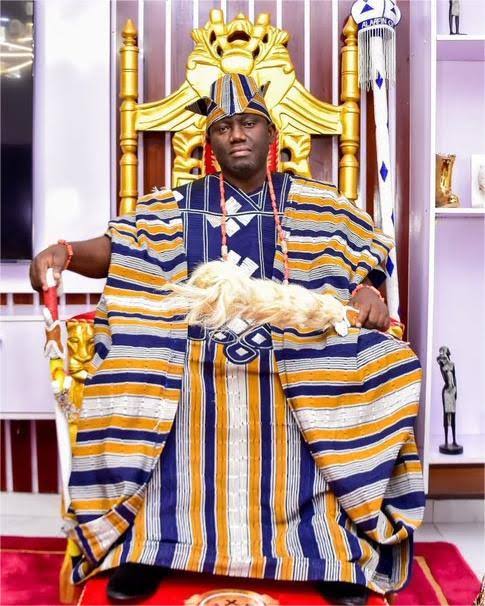
Once upon a time, Old Oyo stood as the unassailable colossus of Yorubaland, its influence rippling across vast territories like a thunderclap echoing through the savanna. From the 17th to the early 19th century, the Alaafin wielded power that shaped empires, commanding armies, tribute, and fealty from lesser kingdoms.
Yet, hubris and internal strife felled this giant, much like the Mongol Empire under Genghis Khan, which sprawled from the Pacific to the Caspian before fragmenting into warring khanates; the Roman Empire, whose overreach crumbled under barbarian incursions and decadent emperors; or the Ottoman behemoth, eroded by nationalist uprisings and European machinations until it vanished after World War I. Great powers rise and recede, history’s inexorable tide spares no one.
Even the modern Oyo, now hemmed into four local governments under the Alaafin’s custodianship, owes its very survival to Ibadan’s daring intervention. In the chaotic 19th century, as Fulani jihadists from Ilorin rampaged southward, Ibadan warriors stormed the breach, liberating Oyo and shielding ancient Yoruba towns from oblivion. Without that pivotal rescue, chronicled in tales from griots and colonial records, Oyo might have faded into dusty folklore, its palaces, mere ruins overgrown with weeds. This debt lingers, a stark reminder that no throne endures in isolation.
One might forgive such historical amnesia in a cloistered monarch, but Alaafin Owoade’s stint in Canada amid Toronto’s multicultural bustle that should have broadened his horizons. Surely, rubbing shoulders with diaspora minds or even casual chats in Vancouver cafes would expose the folly of medieval pretensions. Yet here he is, nursing an antiquated delusion of dominion over all Yorubaland, as if Obas from Lagos to Ife must bow in obeisance. This trajectory smacks of feudal anachronism, utterly out of step with contemporary Yoruba ethos where collaboration trumps conquest.
The world has long outgrown monarchs masquerading as emperors, demanding fealty by fiat. Respect today accrues not from sceptres or edicts but from tangible stewardship by using his influence to build roads, schools, and markets that uplift lives. Alaafin Owoade must internalise this paradigm shift: jettison supremacy skirmishes with fellow kings and pivot to resurrecting Oyo as a vibrant hub. Imagine Oyo reborn – a nexus of agro-industry, cultural tourism, and tech startups, luring investors and pride back to its streets. That legacy would command genuine reverence, far eclipsing hollow imperial posturing.
Yorubaland thrives on unity, not rivalry. Let Alaafin Owoade lead by example, forging Oyo into a beacon rather than a relic. The new world order beckons – will he seize it, or cling to shadows of glory past?