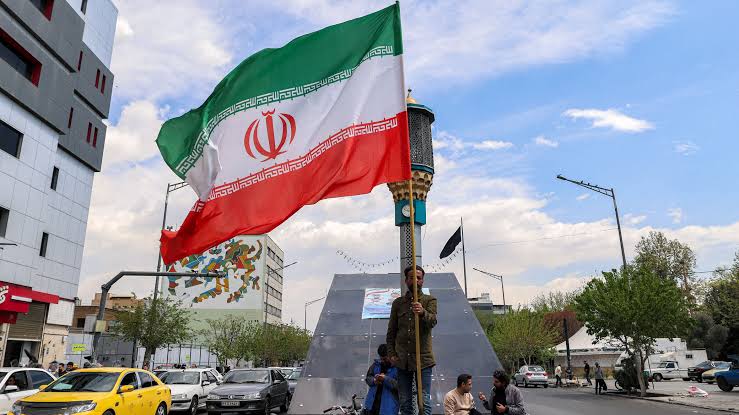
Iran’s contemporary narrative is one of profound antiquity colliding with modern geopolitics, an ancient civilisation whose strategic latitude and cultural magnitude evoke a mixture of deference and apprehension.
To ponder whether the Islamic Republic is ascending to superpower status or remains merely a recalcitrant regional actor requires weighing symbols of influence against the concrete metrics of state power. What demarcates geopolitical theatre from genuine capability, however, is not merely an inventory of ballistic missiles and strategic alliances, but a deeply ingrained habit of resilience forged through decades of relentless external pressure.
Historically, Persia; Iran’s pre-modern iteration projected its hegemony through culture, commerce, and sophisticated statecraft. This legacy endures; Persian literature, jurisprudence, and architectural genius have long outlasted the dynastic empires that once contested the Iranian plateau.
In the modern era, Iran’s twentieth-century trajectory was profoundly disrupted by foreign interventions, notably the 1953 coup d’état, culminating in the 1979 revolution which radically reconstituted both domestic institutions and foreign policy objectives. These historical upheavals bequeathed to the nation a deep-seated scepticism of foreign meddling and a political establishment steeped in survivalist imperatives.
Resilience, in the Iranian context, is far from accidental; it is meticulously cultivated. Decades of embargoes and punitive sanctions have compelled a systemic indigenisation across critical sectors, including energy, defence, and manufacturing, thereby fostering an economic ecosystem that prioritises autarky.
Even where external capital and technology were denied, domestic ingenuity filled the void. Engineers innovated, medical professionals improvised therapies amidst scarcity, and a nascent industrial base learned the art of import substitution. While this isolationist model has manifest limitations, it has engendered an unusual systemic durability. When conventional supply lines are severed, a polity accustomed to austerity and substitution is remarkably less prone to collapse.
Military prowess and regional leverage are indispensable to any claim of superpower status. To this end, Tehran has invested heavily in asymmetric warfare, constructing sophisticated missile systems, cultivating proxy networks, and refining defensive doctrines designed to exact prohibitive costs from adversaries without triggering a total conflagration. This strategy maximises influence at a minimal financial cost, transforming geographic features and patient alliances into potent force multipliers.
Through symbiotic relationships with non-state actors and aligned governments, Tehran projects power across the Levant, the Levant-Caspian corridor, and into Iraq and Yemen.
Yet, influence brokered through proxies differs fundamentally from the global power projection associated with true superpowers; it remains potent within its specific theatre but brittle beyond it.
Economically, Iran confronts structural impediments that severely constrain its upward mobility. Sanctions targeted at petroleum exports and financial transactions have throttled state revenues, starved the country of cutting-edge technology, and disincentivised foreign direct investment. Although Tehran has pursued strategic detours—expanding trade with immediate neighbours, deepening bilateral ties with Beijing and Moscow, and accelerating domestic production. These measures cannot fully compensate for exclusion from integrated global markets and sustained capital inflows. Consequently, development remains starkly uneven; pockets of technological sophistication and high educational attainment coexist with systemic corruption, fiscal mismanagement, and formidable barriers to entrepreneurship.
Political cohesion represents another critical variable. A genuine superpower projects authority through credible institutions and broad domestic legitimacy. The Iranian governance model, with its labyrinthine entanglement of theocratic and republican elements, can marshal fierce loyalty, yet it harbours perpetual tension between reformist impulses and hardline imperatives. This is why widespread domestic discontent, periodically erupting into civil unrest, exposes the vulnerabilities of the regime’s social contract and complicates long-term strategic planning.
Therefore, structural resilience coexists with profound vulnerability; the same endurance that repels external coercion can mask deep internal fractures.
Also, moral authority and diplomatic standing dictate a nation’s global reach. States that command international legitimacy secure alliances with relative ease.
While Iran’s rhetoric of resistance against perceived imperial overreach resonates across segments of the Global South, persistent allegations of human rights abuses and aggressive regional posturing severely compromise its broader diplomatic appeal. The resulting geopolitical portfolio is highly polarised: evoking solidarity in some quarters and profound alarm in others.
Iran is neither a rising superpower nor merely a stubborn regional player. It is a formidable regional hegemon—resourceful, strategically astute, and remarkably durable. Through deep investments in asymmetric capabilities and regional networks, Tehran has undeniably expanded its orbit across the Middle East.
However, a vast chasm remains between regional dominance and global superpower status. Persistent economic constraints, institutional contradictions, and diplomatic isolation restrict Tehran’s ability to translate local resilience into comprehensive global authority.
What Iran exemplifies, most tellingly, is a unique doctrine of survival: a state that refuses to be easily destabilised, that converts structural limitations into catalysts for self-development, and that masterfully plays a long game in an exceptionally volatile neighbourhood.