By Genesis Ogiri
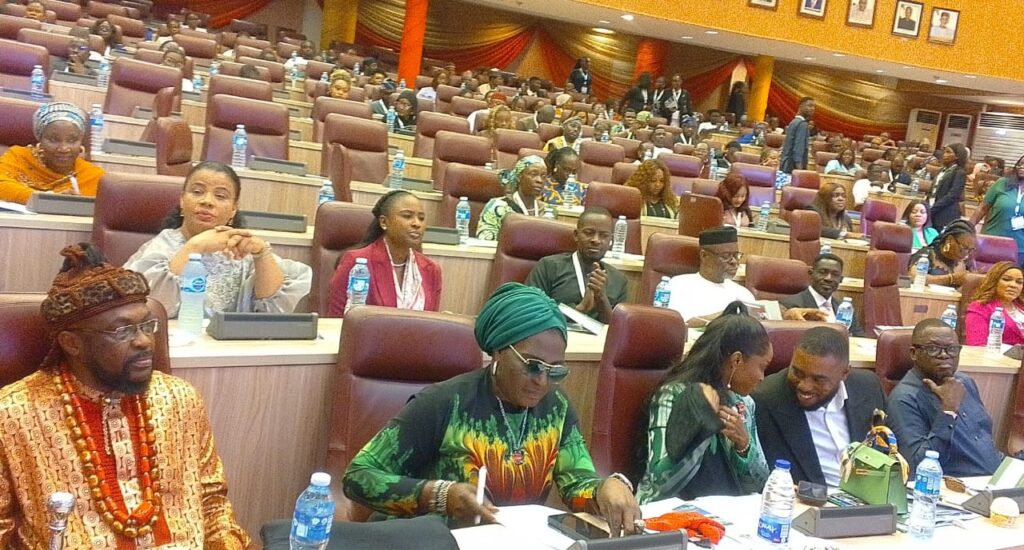
ABUJA — The empowerment of women in leadership, inclusive governance and ethical leadership dominated discussions at the Empower Her for Governance, Inclusion and National Security Summit in Abuja, with stakeholders stressing that meaningful inclusion is critical to achieving lasting peace, security and sustainable national development.
The summit, organised by the iTeach Africa Initiative under the theme, “Empower Her for Governance: Advancing Women’s Leadership for Inclusive Governance and Security,” brought together stakeholders from government, security agencies, civil society and community development organisations to examine the connection between inclusive leadership, good governance and national security.
Speaking at the summit, the Director-General and Founder of the iTeach Africa Initiative, Ebimoboere (Ebi) Alaibe Elezieanya, said national security was ultimately about protecting people, their lives, dignity, freedom and their right to live without fear. She described inclusion as a security imperative, stressing that Nigeria’s security challenges were too complex for any single institution to tackle alone. Ebi called for stronger collaboration among security agencies, government, communities and civil society, while advocating greater protection and meaningful participation of women in governance, peace-building and security processes.
Also speaking, Dr. Otive Igbuzor, Executive Director of the African Centre for Leadership, Strategy and Development (Centre LSD), called for a fundamental change in the character of leadership, recruitment and the relationship between citizens and government. He stressed that leadership stability and inclusive governance were inseparable, noting that Africa requires ethical and visionary leaders capable of transforming its diversity into meaningful development.
Chief Timi Alaibe advocated a governance system that guarantees citizens justice, opportunity and a sense of belonging, identifying economic inclusion, political inclusion and community peace architecture as areas requiring urgent attention. He cautioned that representation without authority amounts to symbolism, insisting that women and other excluded groups must have meaningful influence in decision-making processes.
A Chief Superintendent of Police (CSP), who spoke on condition of anonymity, urged security agencies to strengthen intelligence gathering, stressing that “intelligence prevents catastrophes.” He called on Divisional Police Officers to organise monthly security summits rather than relying solely on conventional press briefings, saying regular community engagement would improve information sharing, build trust and facilitate early response to emerging threats.
The PDP Senatorial Candidate for Oyo South, Hon. Bolanle Amina Sarumi Aliyu (BASA), also called on the Federal Government to prioritise citizen welfare and human capital development as essential components of effective governance and national security. She stressed that a government that invests in its people creates stronger communities and reduces vulnerabilities that can fuel insecurity.
Speakers at the summit maintained that national security should not be viewed solely from the perspective of military and policing operations, but must also encompass justice, dignity, economic opportunities, social inclusion and citizens’ confidence in government.
The stakeholders therefore called for stronger partnerships among government institutions, security agencies, women’s organisations, civil society groups and local communities to promote inclusive leadership and responsive governance.
They further urged policymakers to translate commitments to women’s empowerment and inclusion into concrete policies that would expand opportunities for women to participate meaningfully in political leadership, governance, peace-building and national security.
The summit ended with a renewed commitment by stakeholders to advance women’s leadership and inclusive governance, with participants stressing that Nigeria’s quest for lasting security and development would remain incomplete without the full participation and empowerment of women.