By Genesis ogiri
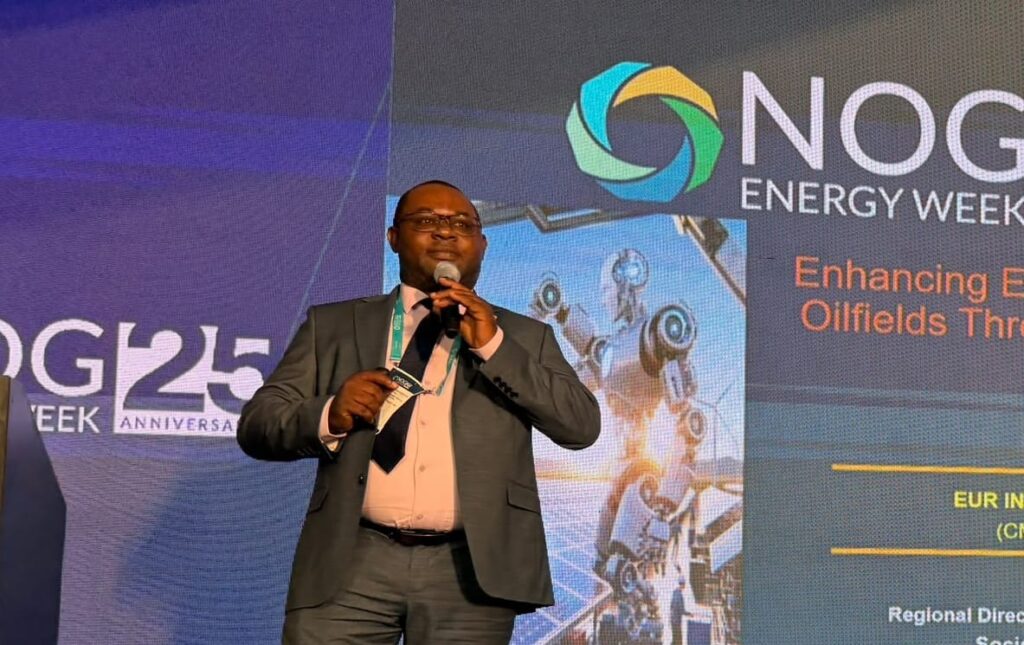
ABUJA – Professor of Energy Policy and Management, Eur Ing Professor Chinedu Ogwus, Regional Director for West Africa Robotics and Autonomous Systems (RAS) Technical Section of the Society of Petroleum Engineers International (SPE International), has called for the accelerated adoption of robotics and autonomous systems to improve safety, protect critical oil infrastructure, and enhance operational efficiency across Nigeria’s oil and gas industry.
Addressing delegates at the 25th anniversary edition of NOG Energy Week 2026 in Abuja, Professor Chinedu said robotics is no longer a futuristic concept but a practical solution to many of the challenges confronting Nigeria’s upstream petroleum sector. He urged industry operators, policymakers, regulators, and investors to embrace intelligent technologies capable of strengthening oilfield security, improving productivity, and supporting sustainable energy development.
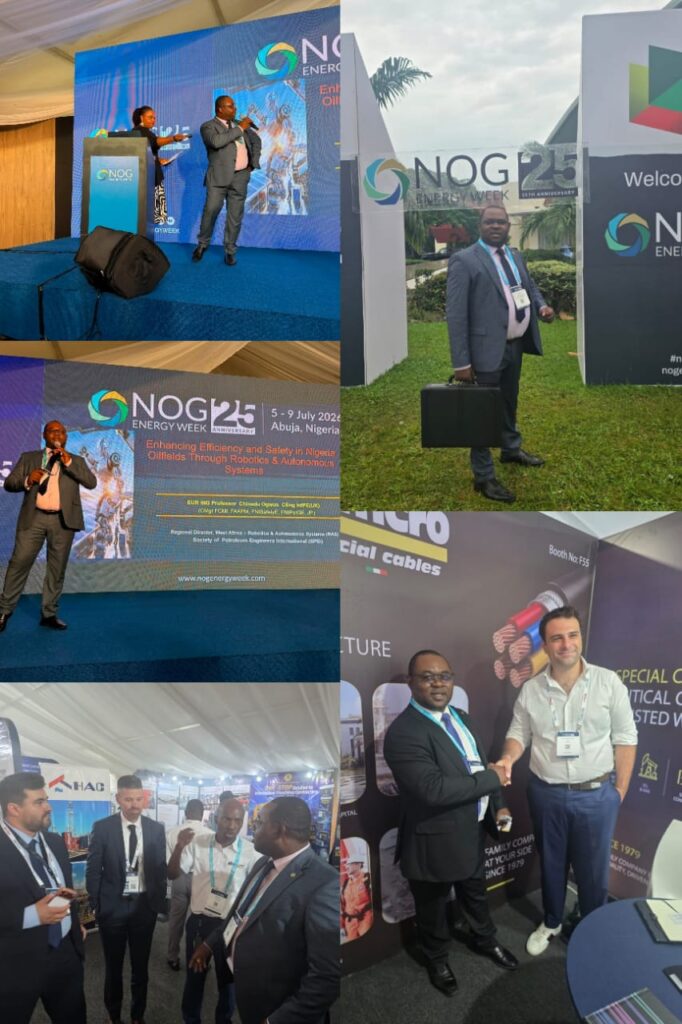
Delivering a keynote address titled “Enhancing Efficiency and Safety in Nigeria’s Oilfields through Robotics and Autonomous Systems,” the renowned energy policy expert said robotics and artificial intelligence are reshaping the global petroleum industry by making oilfield operations safer, smarter, and more efficient. He noted that countries investing in intelligent automation are recording improvements in operational performance, asset management, and workplace safety.
Professor Chinedu identified crude oil theft, pipeline vandalism, and illegal bunkering as some of the critical threats facing Nigeria’s petroleum industry, stressing that robotics offers an effective response to these challenges. According to him, autonomous drones, robotic surveillance systems, AI-powered cameras, and intelligent sensor networks can provide round-the-clock monitoring of pipelines, wellheads, flow stations, and export terminals, enabling operators and security agencies to detect suspicious activities early, prevent sabotage, and significantly reduce production losses.
“He explained that beyond protecting critical infrastructure, robotics is transforming upstream operations through automated drilling support, pipeline integrity inspections, predictive maintenance, robotic tank inspections, and real-time asset monitoring. These technologies, he said, reduce equipment downtime, improve operational efficiency, lower maintenance costs, and maximize production from existing assets.
The professor further emphasized the importance of robotics in protecting workers operating in hazardous environments. He said robotic crawlers, remotely operated inspection systems, and autonomous drones are increasingly replacing manual inspections in confined spaces, offshore installations, and high-risk facilities, thereby minimizing human exposure to danger while improving the accuracy and speed of inspections.
Speaking on environmental sustainability, Professor Chinedu said robotics and artificial intelligence are enabling operators to detect methane leaks, monitor emissions, strengthen environmental compliance, and improve emergency response capabilities. He added that these technologies support responsible hydrocarbon development while complementing Nigeria’s energy transition agenda and commitment to global environmental standards.
“His presentation featured practical case studies on robotic pipeline integrity inspections, AI-driven predictive maintenance, intelligent asset monitoring, and robotic tank inspection technologies already deployed in leading oil-producing countries. Delegates also witnessed a demonstration of Elon Musk’s Optimus humanoid robot, illustrating the growing role of advanced robotics in industrial operations and the future of human-robot collaboration in the energy sector.
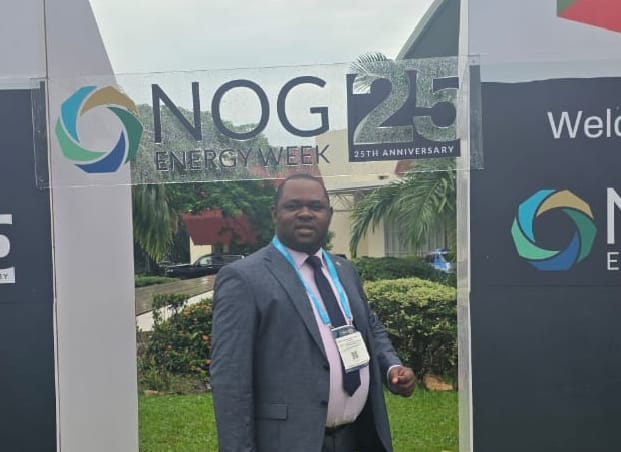
The keynote attracted government officials, regulators, executives of international and indigenous oil companies, investors, technology providers, researchers, and engineering professionals from across the energy value chain. Participants described Professor Chinedu’s presentation as timely and insightful, noting that wider adoption of robotics could help Nigeria strengthen energy security, reduce operational risks, improve production efficiency, and accelerate the digital transformation of its petroleum industry.
Professor Chinedu reaffirmed the commitment of the Society of Petroleum Engineers International’s Robotics and Autonomous Systems Technical Section to promoting research, innovation, capacity building, and technology transfer across Africa. He expressed confidence that with sustained investment in robotics and intelligent automation, Nigeria can build a safer, more resilient, and globally competitive oil and gas industry capable of meeting future energy demands while creating lasting value for the nation’s economy.