By Genesis Ogiri
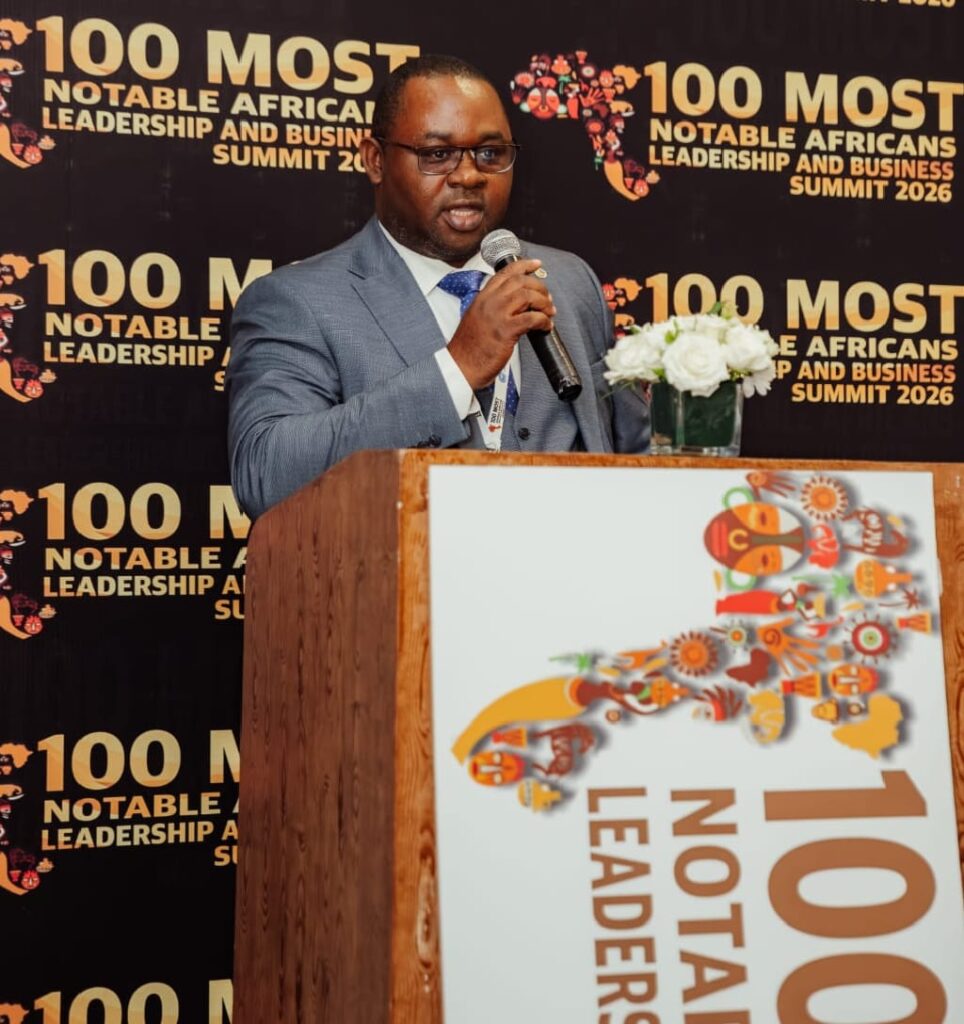
MARRAKECH, MOROCCO – Professor Chinedu Ogwus, Eur. Ing., Regional Director, West Africa – Robotics and Autonomous Systems of the Society of Petroleum Engineers (SPE) International, has called on African leaders to embrace robotics and artificial intelligence (AI) as key drivers of the continent’s energy transformation and sustainable industrial development.
Professor Ogwus made the call while delivering a keynote address at the prestigious 100 Most Notable Leadership and Business Summit 2026 in Marrakech, Morocco. His presentation, titled “AI, Robotics, the Future of Energy Industries and Energy Transformation in Africa,” highlighted the growing role of robotics in reshaping Africa’s energy sector and preparing the continent for the future of work and innovation.
Drawing on his extensive career at TotalEnergies EP Nigeria Ltd, Professor Ogwus explained that robotics is transforming the oil and gas industry by automating repetitive and hazardous tasks while improving production efficiency, reducing operational costs, and enhancing the safety of workers. According to him, robotic technologies are increasingly being deployed in drilling operations, pipeline monitoring, and refinery activities, creating new opportunities for African engineers and technology innovators.
The energy expert also presented comparative data on investments in robotics and AI across Africa, noting that Nigeria, South Africa, and Egypt are leading the continent’s adoption of the emerging technologies. He projected that robotics investment and deployment across Africa would grow significantly by 2030, positioning the continent as an important player in the global energy transformation. While acknowledging the high cost of adoption, he maintained that the long-term gains in efficiency, sustainability, and productivity make the investment worthwhile.
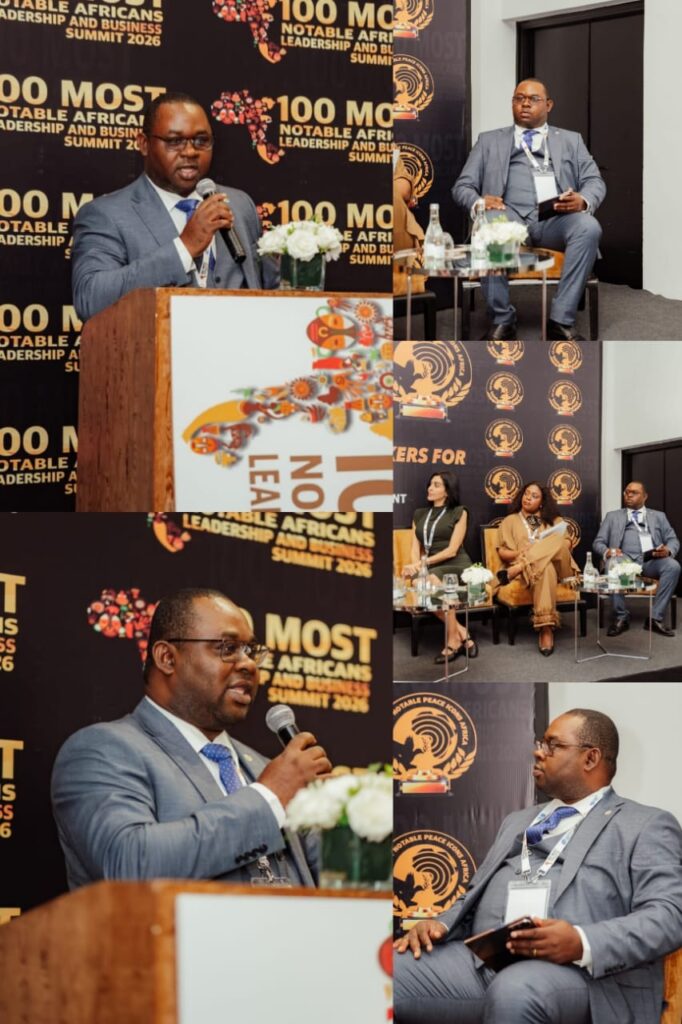
Professor Ogwus further linked Africa’s technological future to global innovations, referencing Elon Musk’s pioneering work in robotics. He stressed that Africa must move beyond merely adopting foreign technologies to becoming a centre for innovation, urging governments to create enabling policies, strengthen research, and invest in education and skills development to close the AI and robotics talent gap.
He emphasized that Africa’s energy future depends on its willingness to embrace disruptive technologies capable of modernising industries, creating new employment opportunities, and strengthening the continent’s competitiveness in the global economy.
His presentation echoed the summit’s theme, “Uniting Africa’s Changemakers for Growth and Impact,” and reinforced the message that robotics and artificial intelligence are becoming indispensable tools for industrial modernization and sustainable development across Africa.
Among the major highlights of the keynote were the growing use of robotics in oilfields to improve safety and efficiency in drilling and refinery operations, projected increases in robotics investments across Africa by 2030, the creation of new career opportunities in robotics engineering and AI systems, and the need for African countries to align with global technological breakthroughs through innovation and strategic investment.
Participants at the summit described Professor Ogwus’ presentation as a strategic roadmap for Africa’s energy industries, with a strong call for governments, policymakers, and private sector stakeholders to accelerate investment in robotics and artificial intelligence as catalysts for the continent’s energy transformation.