By Joan Nwagwu
The International Labour Organisation (ILO) has called for sustained investment in skills development to tackle youth unemployment and equip young people with competencies needed for decent work.
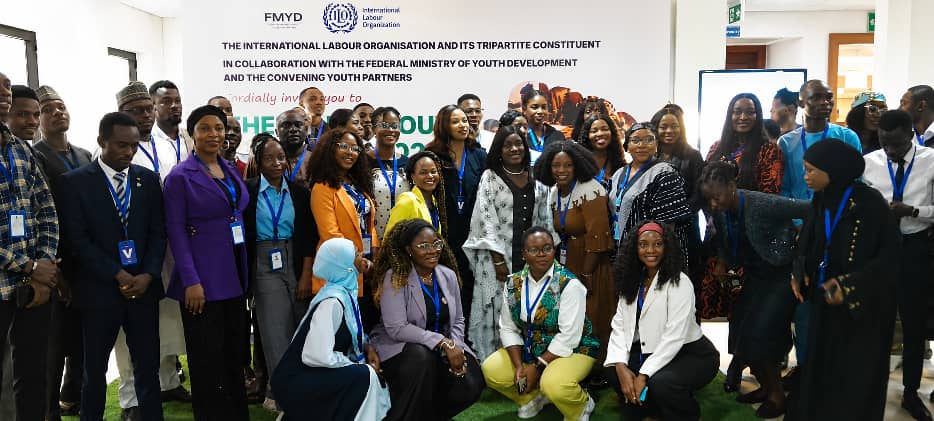
The ILO Country Director for Nigeria, Ghana, Liberia and Sierra Leone, Ms Vanessa Phala, made the call on Wednesday in Abuja during the commemoration of the 2026 World Youth Skills Day with the theme ””Skills for a Shared Future,.
Phala represented by Ms Inviolata Chinyangarara, ILO Senior Specialist on Workers Activities, underscored the need for collaboration among governments, employers, workers, training institutions and development partners to prepare youths for the future of work.
She said emerging trends driven by digitalisation, artificial intelligence and the green transition had made investment in technical, digital, entrepreneurial and green skills imperative.
“Investing in future-ready skills is essential to improving employability, boosting productivity and driving sustainable economic transformation,” she said.
Phala described Nigeria’s youthful population as a major asset that could accelerate inclusive growth when supported with quality skills training and decent employment opportunities.
She urged stakeholders to modernise technical and vocational education and training (TVET), expand apprenticeships and strengthen labour market institutions to address existing skills gaps.
“The future of work depends on creating pathways that connect skills development with productive employment opportunities for young people,” she added.
Also speaking, the Minister of Youth Development, Mr Ayodele Olawande, reaffirmed the Federal Government’s commitment to equipping young Nigerians with skills for employment, entrepreneurship and national development.
Olawande, represented by Mr Ngwaogu Michael, Director, Enterprise Development and Promotion Department, said the ministry was implementing the Nigerian Youth Academy under the “One Youth, Two Skills” initiative.
He said the programme was aimed at equipping young Nigerians with market-relevant skills to improve employability, innovation and self-reliance, in line with the National Youth Policy and Nigerian Youth Development Action Plan.
Olawande commended the ILO and development partners for supporting youth employment initiatives, assuring that the ministry would continue to expand opportunities for young people.
The Director-General of the National Council on Climate Change (NCCC), Dr (Mrs.) Omotenioye Majekodunmi, stressed the importance of equipping youths with green skills to promote climate-resilient and sustainable development.
Majekodunmi, represented by Ms Jummai Vandu, Assistant Chief Chemical Engineer at the NCCC, said climate action and youth empowerment remained critical to Nigeria’s development agenda.
She said skills in renewable energy, climate adaptation and other green sectors would enable young people to benefit from emerging opportunities in the evolving labour market.
According to her, strengthening green competencies and innovation would enhance employability, promote entrepreneurship and support Nigeria’s transition to a low-carbon economy.
She reaffirmed the council’s commitment to working with stakeholders to advance climate action and create sustainable livelihoods for Nigerian youths.
A participant, Ms Morenikeji Olaniru, urged government and employers to improve awareness of youth-focused programmes, noting that many young people were unaware of available opportunities.
Olaniru advised students and graduates to acquire practical skills alongside academic qualifications, saying additional competencies would improve their chances of securing employment.
Another participant, Mr Tajideen Abdullahi, identified poor access to information as a major challenge, urging youths to maximise digital platforms to access skills and employment opportunities.
Abdullahi advised young people against overdependence on parental support, urging them to embrace vocational and digital skills to build self-reliance and prepare for the future.