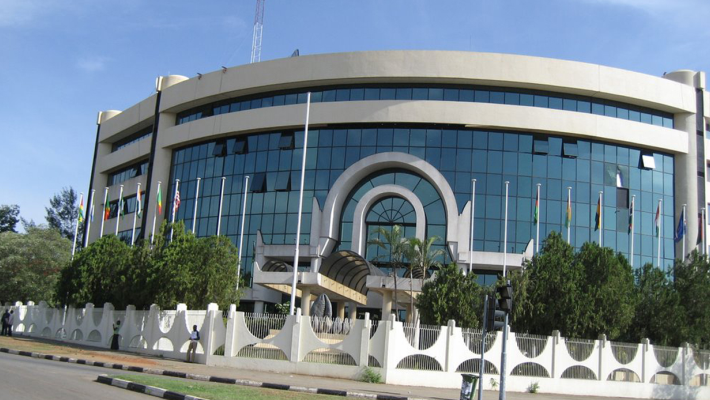
ABUJA – The Economic Community of West African States (ECOWAS) Commission has outlined fresh plans to deepen digital trade and push intra-regional trade to between 35 and 50 per cent in the coming decades.
The Commission says digital platforms can cut costs and open markets for small businesses.
The plans were presented on Tuesday at the opening of the E-Commerce Community Forum and the Second Regional E-Commerce Committee Meeting in Abuja. Government officials, trade experts, development partners and private sector leaders are assessing how the ECOWAS E-Commerce Strategy 2023-2027 is being implemented.
ECOWAS Director of Trade, Dr Kolawole Sofola, said technology and digital platforms are central to simplifying cross-border trade, reducing operating costs and creating a level playing field for micro, small and medium enterprises (MSMEs).
He said intra-regional trade in West Africa has historically stayed below 15 per cent, a figure experts say leaves out the large volume of informal cross-border commerce.
Following recent engagements by heads of state on the “Compact of the Future,” targets have been set for 2035 and 2050 to lift regional trade towards 35 per cent and beyond through structured e-commerce interventions.
Barriers for women, youth, informal traders
The two-day forum is focused on removing the barriers that women, youth, persons with disabilities and informal traders face in digital commerce.
Speaking on behalf of Nigeria’s Federal Ministry of Industry, Trade and Investment, Mr Chike Michael Okafor welcomed delegates and called for action-oriented outcomes.
“An inclusive e-commerce ecosystem must enable these groups to participate meaningfully, reach wider markets, and benefit from digital trade,” Okafor said. “Our focus should be on translating regional cooperation into tangible opportunities for businesses and citizens across West Africa.”
Initiatives presented at the forum include regional digital skills training, financial assistance for entrepreneurs displaced by conflict, and capacity-building projects that have so far trained more than 800 small-scale cross-border traders, most of them women.
Representatives of the United Nations Conference on Trade and Development (UNCTAD) and the World Bank commended ECOWAS’s leadership on the digital agenda. They said sustained economic growth will require fixing infrastructure bottlenecks, including high internet costs, cross-border payment interoperability and data collection frameworks.
Delegates are expected to review and validate an updated action plan and set up an expert group on e-commerce intelligence to support evidence-based policy across member states.