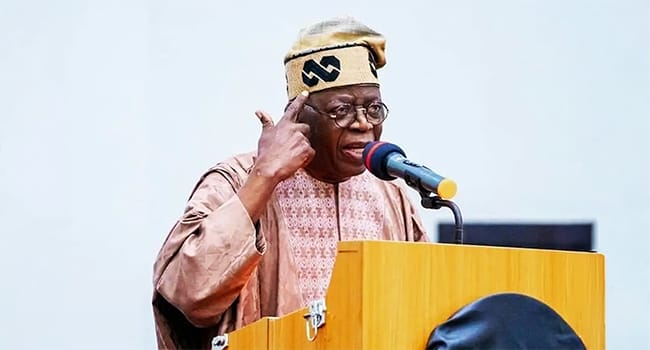
President Bola Tinubu has called for the integration of sports into Nigeria’s school curriculum as well as the establishment of sustainable grassroots sports development structures across the 36 states and the Federal Capital Territory.
The President, who made the call while declaring open the 2026 National Grassroots Sports Summit in Abuja, themed “Creating a New Pathway for Sustainable Grassroots Sports Development in Nigeria”, said sports, as a strategic part of national development, should be grassroots-oriented.
Represented by the Secretary to the Government of the Federation (SGD), Senator George Akume, the President emphasised the need for sports to be grassrooted saying every champion, whether at the state, zonal, national or global stage start theor journey at the local level.
While emphasising the need to take into practice the discussions and deliberations at the summit to deliver sustainable sports development at the grassroots, Tinubu championed the broad inclusion of people with disabilities (PWDs) in sporting activities with provision for education and academic excellence.
Former Lagos State governor and keynote speaker at the event, Babatunde Raji Fashola, said sports should be seen from the economic perspective, calling on stakeholders to focus their attention on ideas that will project sports at the grassroots for the benefit of the youths.
The former Minister of Works also identified grassroots sports as an effective tool for tackling crime and other social vices among young people, noting that increased participation could provide positive alternatives and opportunities for youths.
Fashola, however, expressed his displeasure over the postponement of the National Sports Festival in Enugu, saying a properly structured sports calendar is fundamental to effective sports administration and essential if Nigeria genuinely wants to develop its sporting sector.
He said repeated postponement of major sporting events not only disrupts athletes’ training programmes but also undermines administrative planning, sponsorship commitments and the overall development of the country’s sporting ecosystem.
Fashola said, “A well-planned calendar provides athletes, coaches, sports federations, government agencies and corporate sponsors with the opportunity to prepare adequately for competitions and other sporting activities. The repeated postponement of major sporting events does not only disrupts athletes’ training programmes but also undermines administrative planning, sponsorship commitments and the overall development of the country’s sporting ecosystem.
”For Nigeria to make meaningful progress in sports, competitions must be organised within clearly defined timelines, backed by adequate preparations and institutional commitment to ensure that scheduled events take place as planned. The National Sports Festival, one of the country’s biggest platforms for discovering and nurturing sporting talents, should occupy a stable and respected position on Nigeria’s sporting calendar.”
Summit convener, who is also the Senior Special Assistant to the President on Grassroots Sports Development, Adeyinka Adeboye, said the President recognised the importance of empowering young Nigerians through sports as he called for joint efforts from stakeholders across the 774 local government areas of the country.
Adeboye called on participants to put into use what was discussed at the summit and design frameworks that would not only expand access to sporting opportunities but also identify emerging talents and strengthen Nigeria’s sports development structure at the local level.